
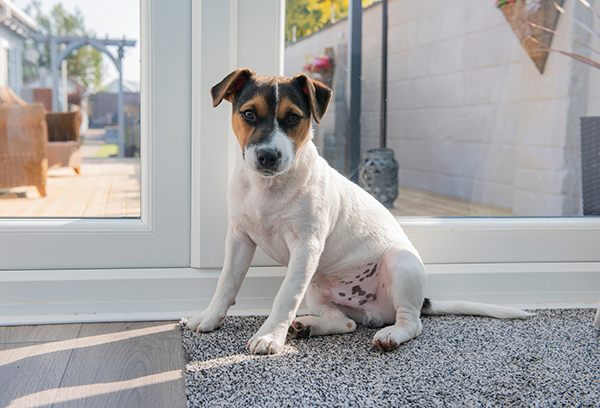
Bringing home a new puppy is exciting, but it also comes with real challenges, especially when it comes to puppy potty training. For many owners, accidents indoors can quickly become stressful, confusing, and even discouraging. The good news is that with the right structure, consistency, and guidance, potty training does not have to be overwhelming.
At Rob’s Dog Training, professional trainers help dog owners build reliable routines that speed up learning and reduce frustration. You’ll also find that proven methods used in structured programs, like those explained in this guide, can make a major difference in how quickly your puppy becomes house-trained.
This guest post will break down practical, real-world strategies for puppy potty training, helping you create lasting habits, avoid common mistakes, and build better communication with your dog from day one.
Understanding Puppy Potty Training Behavior
Successful puppy potty training starts with understanding how puppies think and develop. Young dogs do not naturally know where they should or should not eliminate. Instead, they rely on routine, repetition, and supervision.
Puppies typically need to go:
- After waking up
- After eating or drinking
- After play sessions
- Before bedtime
- Every 1–2 hours (depending on age)
Bladder control develops gradually, meaning accidents are part of the learning process, not disobedience.
The key is not punishment, but prevention and consistency. This is where structured training becomes essential, especially for first-time dog owners.
The Foundation of Effective Puppy Potty Training
A strong puppy potty training plan is built on three pillars: timing, supervision, and reward.
1. Timing Is Everything
Take your puppy out on a predictable schedule. Waiting until accidents happen makes training slower and more frustrating.
A simple schedule includes:
- First thing in the morning
- After meals
- After naps
- Every 60–120 minutes during early weeks
Consistency helps your puppy associate outdoor spaces with elimination.
2. Constant Supervision
If your puppy is not sleeping or in a crate, they should be watched closely. Early warning signs include:
- Sniffing the ground
- Circling
- Suddenly stopping play
- Whining or pacing
Recognizing these signals helps prevent indoor accidents before they happen.
3. Positive Reinforcement Works Best
Reward immediately after your puppy goes potty outside. Use:
- Treats
- Praise
- Excited tone of voice
This builds a clear connection between behavior and reward.
Crate Training and Puppy Potty Training Success
Crate training is one of the most effective tools for puppy potty training when used correctly. Dogs naturally avoid soiling their sleeping area, which helps build bladder control.
Why Crates Help
A properly sized crate:
- Encourages bladder control
- Reduces accidents when unsupervised
- Creates a safe, den-like environment
Common Mistakes to Avoid
- Using a crate that is too large
- Leaving the puppy too long inside
- Using the crate as punishment
Crates should always feel safe and positive, not restrictive or stressful.
When introduced correctly, crate training accelerates potty learning significantly.
Common Puppy Potty Training Mistakes to Avoid
Even well-intentioned owners can slow down progress by making simple mistakes. Avoiding these can dramatically improve results.
1. Punishing Accidents
Punishment often leads to fear, not learning. Puppies may start hiding accidents instead of learning the correct behavior.
2. Inconsistent Schedules
Changing feeding and potty times confuses puppies and delays training progress.
3. Not Cleaning Accidents Properly
Dogs are drawn back to the same spots if odors remain. Use enzyme-based cleaners to fully remove scent traces.
4. Too Much Freedom Too Soon
Giving your puppy full access to the house early on often leads to repeated accidents.
Structured freedom is key, gradually expand space as training improves.
Real-World Puppy Potty Training Routine
A structured daily routine is one of the fastest ways to succeed with puppy potty training, helping your puppy build consistency, reduce accidents, and develop reliable bathroom habits much more quickly.
Here’s a simple example:
- Wake up → immediate potty break
- Breakfast → potty break
- Playtime (supervised)
- Nap in crate
- Wake up → potty break
- Repeat every 1–2 hours
- Evening wind-down → final potty before bed
This predictable rhythm helps puppies learn faster and reduces stress for owners.
How Professional Training Improves Results
While many owners try to handle puppy potty training on their own, professional support can significantly accelerate progress, especially for busy households or puppies that are more stubborn and struggle with consistency.
Programs like those offered by Rob’s Dog Training focus on:
- Structured potty training systems
- Behavior correction without punishment
- Owner coaching for long-term success
- Personalized training plans
Professional trainers don’t just train dogs, they teach owners how to communicate effectively and maintain consistency.
This combination is what creates lasting results.
Troubleshooting Puppy Potty Training Problems
Even with a solid plan, challenges can happen. Here’s how to handle common issues:
Frequent Indoor Accidents
This usually means:
- Too much freedom too soon
- Inconsistent schedule
- Missed potty signals
Solution: tighten supervision and shorten time between potty breaks.
Puppy Refuses to Go Outside
Possible causes:
- Distractions
- Fear of environment
- Lack of routine
Solution: stay in a quiet outdoor spot and wait patiently until they go, then reward immediately.
Regression After Progress
Regression is normal during growth phases. Puppies may temporarily forget training as they develop.
Solution: return to basics, schedule, supervision, reward.
Long-Term Success Beyond Puppy Potty Training
Potty training is just the beginning of a well-behaved dog. The habits you build during this stage affect future behavior, including:
- Obedience
- Leash walking
- Separation behavior
- Confidence in new environments
Owners who stay consistent during puppyhood often experience fewer behavior problems later.
Investing time early pays off with years of better communication and a stronger bond.
Puppy Potty Training Essential Guide
Puppy potty training is not about perfection, it’s about consistency, structure, and patience. Every puppy learns at their own pace, but with the right approach, success is absolutely achievable.
By focusing on routine, positive reinforcement, and proper supervision, you can dramatically reduce accidents and help your puppy learn faster.
For owners who want expert guidance and a structured approach, professional support from Rob’s Dog Training can make the process smoother, faster, and less stressful.
To learn more about training programs and support options, visit robsdogs.