Pop culture events have become defining moments in modern society, shaping trends, influencing opinions, and driving conversations across the globe. From major award ceremonies to viral internet sensations, these events reflect the evolving tastes and values of audiences. In today’s digital age, platforms like TikTok and Instagram amplify the reach of pop culture, turning local happenings into global phenomena overnight. Understanding pop culture events is essential for anyone interested in entertainment, media, or digital marketing.
What Are Pop Culture Events?
Pop culture events refer to widely recognized happenings that capture public attention and influence societal trends. These events span multiple domains, including music, film, television, fashion, and social media. High-profile events such as the Academy Awards, Met Gala, and Coachella Valley Music and Arts Festival are prime examples of how entertainment and culture intersect to create memorable moments.
These events are often fueled by celebrity appearances, groundbreaking performances, and unexpected controversies. For instance, appearances by global icons like Taylor Swift or Beyoncé can instantly elevate the significance of any event.
The Role of Social Media in Pop Culture Events
Social media platforms play a crucial role in shaping and spreading pop culture events. Platforms like Twitter and YouTube allow fans to engage in real-time discussions, share reactions, and create viral content. Hashtags, live streams, and trending topics ensure that events reach a global audience within seconds.
For example, performances at the Super Bowl Halftime Show often dominate social media trends. Artists such as The Weeknd and Rihanna have delivered iconic performances that sparked millions of online conversations.
Social media also democratizes pop culture, allowing influencers and everyday users to contribute to trends. Viral challenges, memes, and fan theories often originate from user-generated content, showcasing the participatory nature of modern pop culture.
Major Categories of Pop Culture Events
Film and Television Events
Film premieres and award shows are central to pop culture. Events like the Golden Globe Awards and Emmy Awards celebrate excellence in entertainment while generating buzz around upcoming projects.
Popular TV shows such as Stranger Things and Game of Thrones have created global fan communities. Season finales, plot twists, and character arcs often become cultural talking points, influencing discussions across social media platforms.
Music Festivals and Concerts
Music festivals are among the most influential pop culture events. Festivals like Glastonbury Festival and Lollapalooza attract massive audiences and feature performances by top artists.
Artists such as Drake and Billie Eilish often debut new music during these events, creating anticipation and excitement among fans. Concert tours also play a significant role, with global tours generating billions in revenue and setting new industry standards.
Fashion and Celebrity Events
Fashion events like the Paris Fashion Week and the Met Gala influence global fashion trends. Designers, celebrities, and influencers collaborate to showcase innovative styles that often define the year’s fashion narrative.
Celebrities such as Kim Kardashian and Zendaya frequently make headlines with their fashion choices, sparking discussions and inspiring trends worldwide.
Gaming and Digital Events
The gaming industry has emerged as a major contributor to pop culture. Events like E3 and The Game Awards showcase upcoming releases and celebrate achievements in gaming.
Popular games such as Fortnite and Call of Duty have hosted in-game events that attract millions of players, blurring the line between gaming and traditional entertainment.
The Impact of Pop Culture Events on Society
Pop culture events have a profound impact on society, influencing everything from consumer behavior to social movements. For instance, documentaries and films highlighted at the Academy Awards often bring attention to critical issues such as climate change, social justice, and mental health.
Events featuring influential figures like Leonardo DiCaprio often amplify environmental awareness, while artists like Kendrick Lamar use their platforms to address social issues through music.
Pop culture events also drive economic growth. Major festivals, award shows, and concerts generate revenue through ticket sales, sponsorships, and merchandise. Cities hosting these events benefit from increased tourism and global exposure.
The Evolution of Pop Culture Events
Pop culture events have evolved significantly over the years. Traditional events that were once limited to physical attendance are now accessible globally through live streaming. Platforms like Netflix and Amazon Prime Video have revolutionized how audiences consume content, making it easier to access events from anywhere in the world.
The rise of virtual events during global disruptions such as the COVID-19 pandemic further accelerated this transformation. Virtual concerts, online premieres, and digital fan meetups became the norm, showcasing the adaptability of the entertainment industry.
Trends Shaping Pop Culture Events in 2026
Increased Use of Technology
Emerging technologies like augmented reality (AR) and virtual reality (VR) are enhancing the experience of pop culture events. Virtual concerts and immersive experiences are becoming more common, allowing fans to interact with their favorite artists in innovative ways.
Globalization of Content
Pop culture is no longer confined to specific regions. International content, including K-pop and global cinema, has gained widespread popularity. Groups like BTS and artists like Bad Bunny have achieved global recognition, highlighting the cross-cultural appeal of modern entertainment.
Rise of Influencer Culture
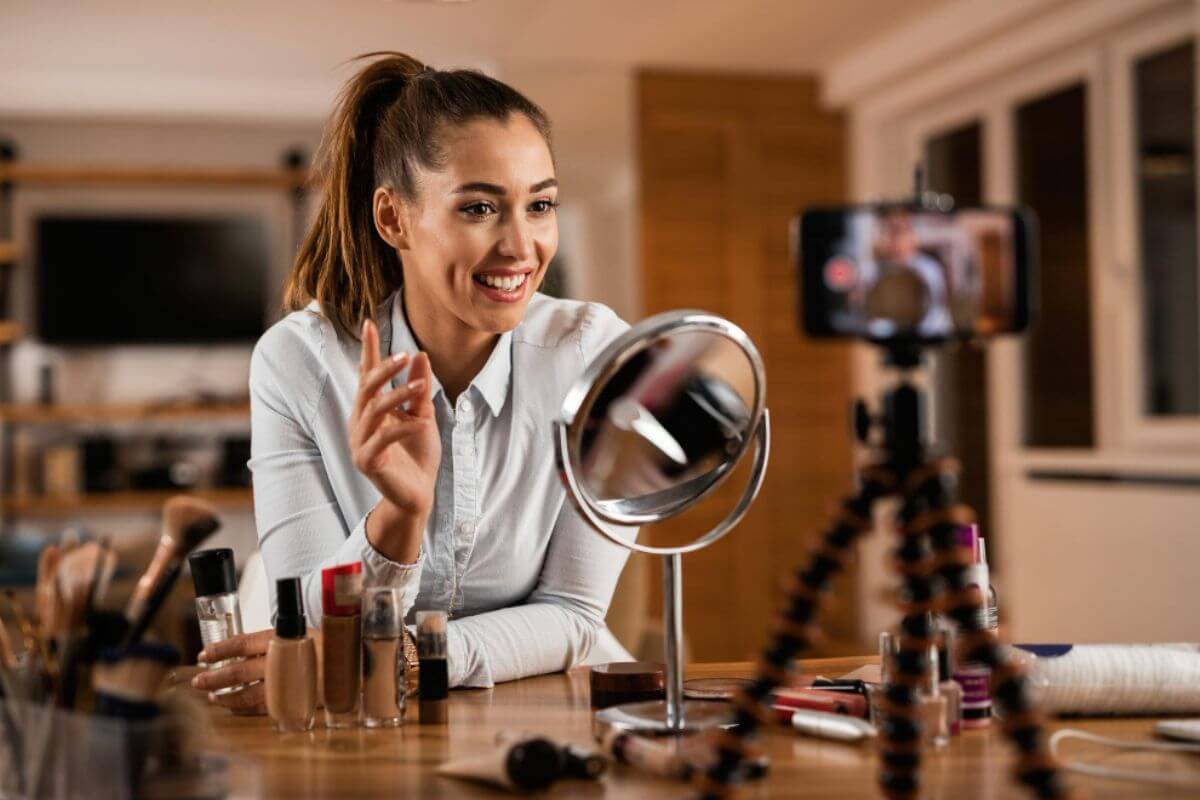
Influencers and content creators are playing an increasingly important role in pop culture events. Personalities on platforms like TikTok and YouTube often shape trends, promote events, and engage with audiences in ways that traditional media cannot.
How to Stay Updated on Pop Culture Events
Staying informed about pop culture events requires a combination of traditional and digital media sources. Following entertainment news websites, subscribing to streaming platforms, and engaging with social media channels are effective ways to keep up with the latest developments.
Apps like Instagram and Twitter provide real-time updates, while platforms like YouTube offer in-depth coverage and analysis. Additionally, attending events, whether in person or virtually, allows fans to experience the excitement firsthand.
Conclusion
Pop culture events are a powerful reflection of contemporary society, influencing trends, shaping opinions, and connecting people across the globe. From iconic award shows like the Academy Awards to viral moments on TikTok, these events continue to evolve in response to technological advancements and changing audience preferences.
As we move further into 2026, the significance of pop culture events will only grow, driven by innovation, globalization, and the ever-expanding reach of digital platforms. For businesses, marketers, and enthusiasts, understanding these events is essential for staying relevant in an increasingly dynamic cultural landscape.