Author: Craving Movie Admin

  • Award Shows Highlights: The Biggest Moments, Winners, and Trends Shaping Entertainment

    Award Shows Highlights: The Biggest Moments, Winners, and Trends Shaping Entertainment

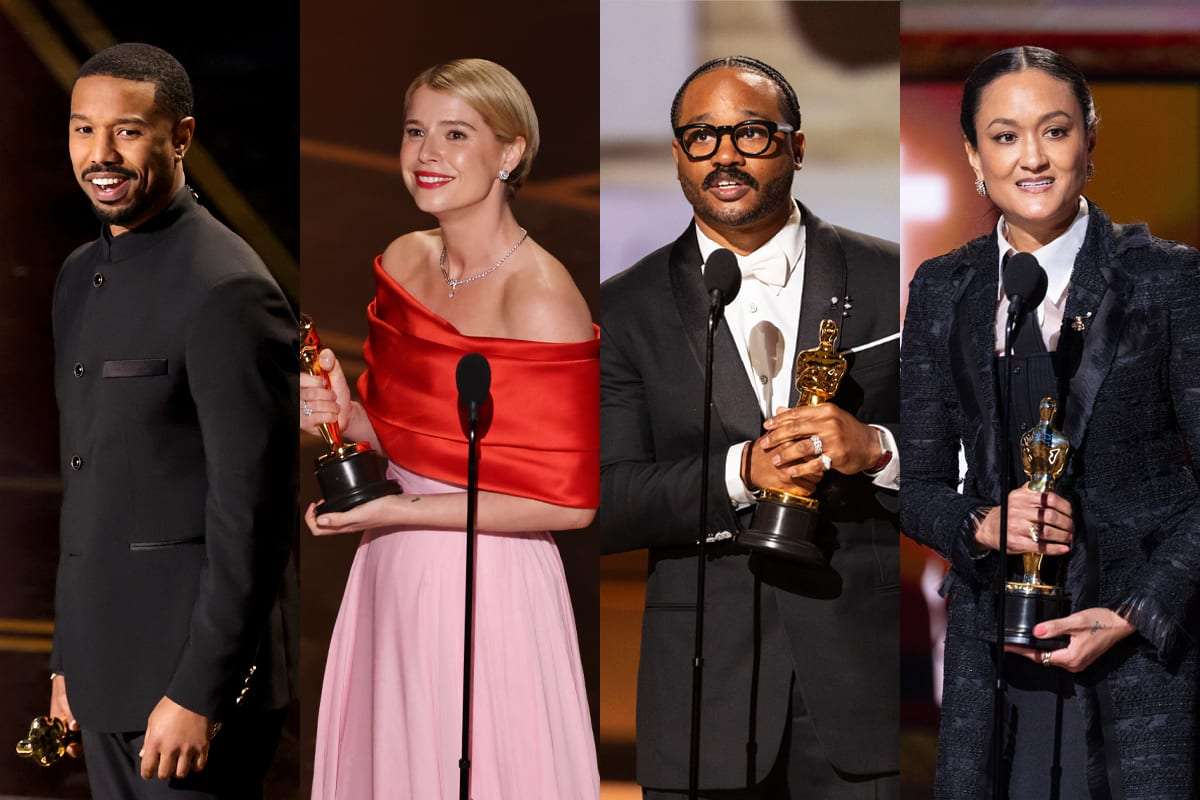
    Award shows highlights have always been a central part of the global entertainment industry, offering fans unforgettable moments, emotional speeches, and trend-setting performances. From the glamour of the Academy Awards to the musical dominance of the Grammy Awards, these events celebrate excellence across film, television, and music while shaping pop culture narratives worldwide. In this comprehensive guide, we explore the most iconic award shows, their standout highlights, notable winners, controversies, and emerging trends that define modern entertainment.

    The Importance of Award Shows in Entertainment

    Award shows such as the Golden Globe Awards and the Primetime Emmy Awards play a crucial role in recognizing talent and influencing industry dynamics. These ceremonies not only honor outstanding achievements but also drive audience engagement, boost box office revenues, and increase streaming numbers for nominated works.

    For instance, films like Oppenheimer and Everything Everywhere All at Once experienced renewed popularity following their award-winning runs. Similarly, TV shows like Succession and The Bear saw significant spikes in viewership after major wins at the Emmys.

    Oscars Highlights: Defining Moments in Cinema

    The Academy Awards remains the most prestigious film award show globally. Over the years, it has delivered numerous unforgettable highlights that have defined Hollywood history.

    One of the most talked-about moments in recent years was the success of Parasite, directed by Bong Joon-ho, becoming the first non-English film to win Best Picture. Another major highlight was Will Smith winning Best Actor for King Richard, a moment that sparked global discussions.

    More recently, actors like Cillian Murphy and Emma Stone have delivered award-winning performances that captivated audiences worldwide. The Oscars also consistently set fashion trends, with celebrities showcasing iconic looks on the red carpet.

    Grammy Awards Highlights: Celebrating Musical Excellence

    The Grammy Awards highlights the best in global music, featuring performances and wins that often define an artist’s career.

    Artists like Taylor Swift, Beyoncé, and Billie Eilish have dominated recent ceremonies with multiple awards and record-breaking achievements. Beyoncé, in particular, has become one of the most awarded artists in Grammy history.

    Live performances are a major highlight of the Grammys. Collaborations between artists, such as unexpected duets or tribute performances, often go viral and trend globally. These moments contribute significantly to the cultural impact of the event.

    Emmy Awards Highlights: Recognizing Television Excellence

    The Primetime Emmy Awards celebrates the best in television, reflecting the growing influence of streaming platforms like Netflix, HBO, and Disney+.

    Shows like Game of Thrones, Stranger Things, and The Crown have consistently received nominations and awards, showcasing the shift toward high-quality television content.

    Recent Emmy highlights include powerful acceptance speeches addressing social issues, diversity milestones, and record-breaking wins by actors and creators from diverse backgrounds.

    Golden Globe Awards Highlights: A Blend of Film and Television

    The Golden Globe Awards is unique for recognizing both film and television achievements. It is often seen as a precursor to the Oscars, influencing predictions and trends.

    The Globes are known for their relaxed atmosphere compared to other award shows, often leading to candid celebrity moments and memorable speeches. Wins by actors like Leonardo DiCaprio and Meryl Streep have become iconic highlights over the years.

    Iconic Award Show Moments That Went Viral

    Award shows are not just about winners—they are about moments that capture global attention. Viral highlights often include unexpected wins, emotional speeches, and controversial incidents.

    For example, Lady Gaga delivering a powerful performance at the Oscars created a lasting impact. Similarly, Chris Rock hosting award shows has often led to bold and controversial comedic moments.

    Social media platforms like Twitter and Instagram amplify these highlights, making them instantly accessible to a global audience. Hashtags, memes, and clips help award shows stay relevant in the digital age.

    Fashion Highlights on the Red Carpet

    Red carpet fashion is one of the most anticipated aspects of award shows. Celebrities use these events to showcase designer outfits and make bold fashion statements.

    Designers such as Donatella Versace and brands like Gucci and Chanel frequently dominate red carpet appearances. Stars like Zendaya and Timothée Chalamet are known for their unique and trend-setting looks.

    Fashion highlights often influence global trends, with styles seen at award shows quickly becoming popular worldwide.

    Diversity and Inclusion in Award Shows

    In recent years, diversity and inclusion have become key themes in award shows. Movements like Oscars So White have pushed organizations to recognize talent from underrepresented communities.

    Films like Black Panther and Minari have received critical acclaim and awards, highlighting the importance of representation in storytelling.

    Award shows are increasingly acknowledging international talent, reflecting the globalization of the entertainment industry.

    The Role of Streaming Platforms in Award Show Highlights

    Streaming platforms have revolutionized how audiences consume content and interact with award shows. Companies like Amazon Prime Video and Apple TV+ are producing award-winning content that competes with traditional studios.

    Movies and series released on streaming platforms often dominate nominations, reflecting changing viewer preferences. This shift has also influenced how award shows are broadcast and consumed, with live streaming becoming more common.

    Controversies and Criticism

    Award shows are not without controversy. Criticism often revolves around lack of diversity, voting transparency, and perceived snubs.

    For example, debates over overlooked performances or films frequently trend online, sparking discussions among fans and critics. These controversies, while sometimes negative, contribute to the overall visibility and engagement of award shows.

    Future Trends in Award Shows

    The future of award shows is evolving with technology and changing audience behavior. Virtual events, interactive experiences, and global participation are becoming more common.

    Artificial intelligence and data analytics may play a role in predicting winners and enhancing viewer experiences. Additionally, award shows are likely to continue embracing diversity and expanding their global reach.

    Conclusion

    Award shows highlights remain a vital part of the entertainment ecosystem, offering a blend of celebration, culture, and spectacle. From the prestige of the Academy Awards to the musical brilliance of the Grammy Awards, these events continue to captivate audiences worldwide. As the industry evolves, award shows will adapt, ensuring they remain relevant in an ever-changing digital landscape. By celebrating talent, sparking conversations, and setting trends, award shows will continue to shape the future of entertainment for years to come.

  • The Ultimate Guide to Entertainment Blogs: Trends, Strategies, and Top Platforms

    The Ultimate Guide to Entertainment Blogs: Trends, Strategies, and Top Platforms

    Introduction to Entertainment Blogs

    Entertainment blogs have become a powerful digital medium for sharing the latest updates, opinions, and insights about movies, music, television, celebrities, and pop culture. With the rise of platforms like YouTube, Instagram, and TikTok, audiences now consume entertainment content faster than ever, making entertainment blogs more relevant than traditional media in many ways.

    An entertainment blog is not just about reporting news—it is about storytelling, analysis, and building a community of readers who share a passion for content created by major players like Netflix, Disney, and Warner Bros.. Whether it’s celebrity interviews, movie reviews, or TV show updates, entertainment blogs serve as a hub for fans worldwide.

    Why Entertainment Blogs Are Popular

    The popularity of entertainment blogs is driven by the global appetite for real-time updates and engaging storytelling. Fans want instant access to news about celebrities such as Taylor Swift, Dwayne Johnson, and Zendaya. Entertainment blogs deliver this information in a conversational and easily digestible format.

    Moreover, entertainment blogs allow readers to explore deeper insights into blockbuster movies like Avengers: Endgame or trending series like Stranger Things. Unlike traditional journalism, blogs often include personal opinions, fan theories, and interactive discussions, which keep readers engaged.

    Types of Entertainment Blogs

    Celebrity News Blogs

    Celebrity-focused blogs cover gossip, interviews, and lifestyle updates. Bloggers often discuss figures like Kim Kardashian or Leonardo DiCaprio, analyzing their public appearances, social media activity, and career milestones. These blogs are highly searchable due to the constant interest in celebrity culture.

    Movie Review Blogs

    Movie review blogs provide detailed critiques of films across genres. Writers often analyze works from directors like Christopher Nolan or Steven Spielberg. Reviews may include discussions about storytelling, cinematography, and performances, helping readers decide what to watch.

    TV Show Recap Blogs

    TV recap blogs have gained popularity with the success of streaming platforms. Shows like Game of Thrones and The Witcher generate massive online discussions, and blogs often provide episode breakdowns, predictions, and character analyses.

    Music and Pop Culture Blogs

    Music blogs cover new releases, artist news, and industry trends. Fans follow updates on artists like Drake or Billie Eilish. Pop culture blogs also explore viral moments, award shows like the Grammy Awards, and global entertainment trends.

    Key Elements of a Successful Entertainment Blog

    High-Quality Content

    Content is the foundation of any successful entertainment blog. Articles should be well-researched, engaging, and updated regularly. Covering trending topics such as the latest Marvel or DC releases from Marvel Studios keeps your blog relevant.

    SEO Optimization

    Search Engine Optimization is essential for driving traffic. Use keywords like “entertainment blogs,” “celebrity news,” and “movie reviews” naturally throughout your content. Incorporate headings, meta descriptions, and internal linking to improve visibility on search engines like Google.

    Visual and Multimedia Integration

    Modern readers prefer multimedia-rich content. Embedding trailers, interviews, and clips from platforms like YouTube enhances user engagement. High-quality images and infographics also improve readability.

    Consistent Publishing Schedule

    Consistency builds audience trust. Regular updates on trending topics, such as new releases on Amazon Prime Video, keep readers coming back for more.

    Top Platforms Powering Entertainment Blogs

    WordPress

    WordPress is one of the most popular platforms for creating entertainment blogs. It offers customizable themes, plugins, and SEO tools, making it ideal for beginners and professionals alike.

    Blogger

    Blogger, owned by Google, is another user-friendly platform for starting a blog. It’s particularly suitable for beginners who want a simple interface.

    Medium

    Medium allows writers to reach a built-in audience. While it offers less customization, it provides excellent exposure for entertainment-related content.

    Monetization Strategies for Entertainment Blogs

    Advertising

    One of the most common ways to monetize entertainment blogs is through ads. Platforms like Google AdSense allow bloggers to earn revenue based on impressions and clicks.

    Affiliate Marketing

    Promoting streaming services like Hulu or recommending products related to movies and music can generate affiliate income.

    Sponsored Content

    Brands often collaborate with bloggers for sponsored posts. For example, entertainment companies may pay bloggers to promote upcoming releases or events.

    Merchandise and Memberships

    Selling branded merchandise or offering premium content subscriptions is another effective strategy. Fans of shows like Breaking Bad often look for exclusive content and merchandise.

    Trends Shaping Entertainment Blogs in 2026

    Rise of Short-Form Content

    Short-form content driven by platforms like TikTok is influencing blogging styles. Bloggers now create concise, visually appealing posts to capture attention quickly.

    AI and Content Personalization

    Artificial intelligence tools are transforming how blogs deliver content. Personalized recommendations based on user preferences enhance engagement and retention.

    Globalization of Entertainment

    Entertainment is no longer limited by geography. International content, such as Korean dramas and Bollywood films, is gaining popularity worldwide. Stars like Shah Rukh Khan and global hits from different regions are frequently featured in entertainment blogs.

    Integration with Social Media

    Successful entertainment blogs are closely integrated with social media platforms. Sharing blog posts on Instagram and Twitter increases reach and drives traffic.

    How to Start Your Own Entertainment Blog

    Choose a Niche

    Select a specific niche within entertainment, such as movies, music, or celebrity news. Focusing on a niche helps you build authority and attract a targeted audience.

    Create Quality Content

    Write engaging articles with a unique voice. Cover trending topics, provide insights, and maintain a consistent tone.

    Optimize for SEO

    Use keyword research tools and optimize your content for search engines. Include relevant keywords naturally and use proper formatting.

    Promote Your Blog

    Leverage social media, email marketing, and collaborations to promote your blog. Engaging with your audience builds loyalty and increases visibility.

    Challenges in Running Entertainment Blogs

    While entertainment blogging offers many opportunities, it also comes with challenges. High competition, constantly changing trends, and the need for frequent updates can be demanding. Additionally, maintaining credibility while covering celebrity gossip requires careful fact-checking.

    Another challenge is staying ahead of algorithm changes on platforms like Google, which can impact your blog’s visibility.

    Future of Entertainment Blogs

    The future of entertainment blogs looks promising as digital consumption continues to grow. With advancements in technology and increasing global connectivity, blogs will play an even more significant role in shaping public opinion and entertainment trends.

    As platforms like Netflix and Disney+ continue to produce high-quality content, the demand for insightful analysis and reviews will only increase.

    Conclusion

    Entertainment blogs have evolved into a dynamic and influential part of the digital ecosystem. By combining engaging content, SEO strategies, and multimedia elements, bloggers can create successful platforms that attract a global audience. Whether you are covering celebrity news, movie reviews, or music trends, staying updated and delivering value to your readers is key to long-term success in the world of entertainment blogs.

  • Celebrity Interviews: Behind the Scenes of Fame, Influence, and Authentic Storytelling

    Celebrity Interviews: Behind the Scenes of Fame, Influence, and Authentic Storytelling

    Celebrity interviews have long been a cornerstone of modern media, offering audiences a closer look into the lives, thoughts, and personalities of their favorite stars. From classic television appearances to viral digital conversations, interviews shape public perception and often define the narratives surrounding celebrities. Whether it’s a revealing conversation with Oprah Winfrey or a candid podcast moment featuring Joe Rogan, celebrity interviews are powerful tools for storytelling, branding, and audience engagement.

    The Evolution of Celebrity Interviews

    The format of celebrity interviews has transformed significantly over the decades. In the early days, interviews were largely conducted through print media, such as magazines like Time and Rolling Stone. These interviews were often highly curated, focusing on promoting films, music, or public appearances.

    With the rise of television, talk shows like The Tonight Show Starring Johnny Carson and later The Ellen DeGeneres Show became central platforms for celebrities to connect with audiences. Hosts such as Johnny Carson and Ellen DeGeneres mastered the art of balancing humor, empathy, and curiosity.

    In the digital age, platforms like YouTube and Instagram have revolutionized celebrity interviews. Channels such as Hot Ones, hosted by Sean Evans, offer unique formats that blend entertainment with deep, research-driven questions.

    Why Celebrity Interviews Matter

    Celebrity interviews play a crucial role in shaping public narratives. They provide a platform for stars like Taylor Swift or Dwayne Johnson to share personal stories, promote their work, and address controversies.

    From an SEO perspective, celebrity interviews generate high search traffic because audiences are eager to learn about trending personalities. Keywords such as “exclusive celebrity interview,” “behind-the-scenes with celebrities,” and “celebrity confessions” drive organic reach and engagement.

    Moreover, interviews humanize celebrities. When Zendaya discusses her career challenges or Leonardo DiCaprio speaks about climate change advocacy, audiences connect on a deeper level.

    Types of Celebrity Interviews

    Celebrity interviews come in various formats, each serving different purposes and audiences.

    Promotional Interviews

    These interviews are typically conducted to promote upcoming projects such as films, albums, or TV shows. For example, during the press tour for Avengers: Endgame, actors like Robert Downey Jr. and Scarlett Johansson participated in numerous interviews across global media outlets.

    In-Depth Interviews

    Long-form interviews focus on personal journeys, challenges, and achievements. Platforms like Netflix often produce documentary-style interviews, such as those seen in My Next Guest Needs No Introduction hosted by David Letterman.

    Controversial or Investigative Interviews

    Some interviews aim to address controversies or reveal new information. A notable example is the interview conducted by Meghan Markle and Prince Harry with Oprah Winfrey, which sparked global discussions.

    Digital and Social Media Interviews

    Short-form interviews on platforms like TikTok and Instagram Live sessions are becoming increasingly popular. These formats prioritize authenticity and real-time engagement.

    The Art of Conducting Celebrity Interviews

    Conducting a successful celebrity interview requires preparation, empathy, and adaptability. Interviewers like Barbara Walters and Anderson Cooper are known for their ability to ask insightful questions while making guests feel comfortable.

    Research is key. Understanding a celebrity’s background, recent projects, and public image allows interviewers to ask meaningful questions. For instance, interviewing Billie Eilish about her creative process requires knowledge of her albums like Happier Than Ever.

    Body language and tone also play crucial roles. A relaxed environment encourages celebrities to open up, leading to more authentic responses.

    Challenges in Celebrity Interviews

    Despite their appeal, celebrity interviews come with challenges. Public relations teams often impose restrictions, limiting the scope of questions. Celebrities may avoid sensitive topics, making it difficult to extract genuine insights.

    Additionally, viral culture can amplify interview moments, sometimes leading to misinterpretation. A single comment from Kanye West, for example, can quickly become a global headline.

    Interviewers must also navigate cultural sensitivities and ethical considerations, ensuring that questions are respectful and relevant.

    The Impact of Celebrity Interviews on Pop Culture

    Celebrity interviews significantly influence pop culture. Memorable moments, such as emotional confessions or unexpected revelations, often go viral and shape public discourse.

    For example, interviews with Britney Spears during the Free Britney Movement highlighted issues related to mental health and conservatorship laws.

    Similarly, conversations with Elon Musk on platforms like podcasts have influenced discussions around technology, business, and innovation.

    SEO Benefits of Celebrity Interview Content

    From an SEO standpoint, celebrity interviews are highly valuable. They naturally incorporate high-ranking keywords, trending topics, and popular search queries. Including names like Kim Kardashian or Cristiano Ronaldo increases visibility due to their global recognition.

    To optimize celebrity interview content, bloggers should focus on:

    Using long-tail keywords such as “exclusive interview with [celebrity name]”
    Incorporating multimedia elements like videos and transcripts
    Updating content regularly to reflect trending topics
    Leveraging internal and external linking strategies

    Future Trends in Celebrity Interviews

    The future of celebrity interviews lies in innovation and authenticity. Technologies such as virtual reality and artificial intelligence are expected to transform how interviews are conducted and consumed.

    Platforms like Meta Platforms are investing in immersive experiences, while AI-driven tools enable personalized interview formats. Imagine interactive interviews where audiences can choose questions in real time.

    Podcasting will continue to dominate, with shows like The Joe Rogan Experience attracting millions of listeners worldwide.

    Tips for Writing Engaging Celebrity Interview Content

    For bloggers and content creators, crafting compelling celebrity interview articles requires a strategic approach. Start with a strong headline that includes your target keyword “celebrity interviews.” Use engaging introductions to capture reader interest.

    Structure your content with clear headings and subheadings to improve readability and SEO performance. Include quotes, anecdotes, and behind-the-scenes details to make the content more engaging.

    Consistency is also important. Regularly publishing interview-related content helps build authority in the entertainment niche.

    Conclusion

    Celebrity interviews remain a powerful medium for storytelling, offering unique insights into the lives of public figures. From traditional television appearances to modern digital formats, interviews continue to evolve, reflecting changes in media consumption and audience preferences.

    By understanding the dynamics of celebrity interviews and leveraging SEO strategies, content creators can produce engaging, high-ranking articles that resonate with readers. Whether it’s a heartfelt conversation with Selena Gomez or an in-depth discussion with Keanu Reeves, the power of a well-crafted interview lies in its ability to connect, inform, and inspire audiences worldwide.

  • Pop Culture Events: A Comprehensive Guide to Global Trends, Influences, and Impact

    Pop Culture Events: A Comprehensive Guide to Global Trends, Influences, and Impact

    Pop culture events have become defining moments in modern society, shaping trends, influencing opinions, and driving conversations across the globe. From major award ceremonies to viral internet sensations, these events reflect the evolving tastes and values of audiences. In today’s digital age, platforms like TikTok and Instagram amplify the reach of pop culture, turning local happenings into global phenomena overnight. Understanding pop culture events is essential for anyone interested in entertainment, media, or digital marketing.

    What Are Pop Culture Events?

    Pop culture events refer to widely recognized happenings that capture public attention and influence societal trends. These events span multiple domains, including music, film, television, fashion, and social media. High-profile events such as the Academy Awards, Met Gala, and Coachella Valley Music and Arts Festival are prime examples of how entertainment and culture intersect to create memorable moments.

    These events are often fueled by celebrity appearances, groundbreaking performances, and unexpected controversies. For instance, appearances by global icons like Taylor Swift or Beyoncé can instantly elevate the significance of any event.

    The Role of Social Media in Pop Culture Events

    Social media platforms play a crucial role in shaping and spreading pop culture events. Platforms like Twitter and YouTube allow fans to engage in real-time discussions, share reactions, and create viral content. Hashtags, live streams, and trending topics ensure that events reach a global audience within seconds.

    For example, performances at the Super Bowl Halftime Show often dominate social media trends. Artists such as The Weeknd and Rihanna have delivered iconic performances that sparked millions of online conversations.

    Social media also democratizes pop culture, allowing influencers and everyday users to contribute to trends. Viral challenges, memes, and fan theories often originate from user-generated content, showcasing the participatory nature of modern pop culture.

    Major Categories of Pop Culture Events

    Film and Television Events

    Film premieres and award shows are central to pop culture. Events like the Golden Globe Awards and Emmy Awards celebrate excellence in entertainment while generating buzz around upcoming projects.

    Popular TV shows such as Stranger Things and Game of Thrones have created global fan communities. Season finales, plot twists, and character arcs often become cultural talking points, influencing discussions across social media platforms.

    Music Festivals and Concerts

    Music festivals are among the most influential pop culture events. Festivals like Glastonbury Festival and Lollapalooza attract massive audiences and feature performances by top artists.

    Artists such as Drake and Billie Eilish often debut new music during these events, creating anticipation and excitement among fans. Concert tours also play a significant role, with global tours generating billions in revenue and setting new industry standards.

    Fashion and Celebrity Events

    Fashion events like the Paris Fashion Week and the Met Gala influence global fashion trends. Designers, celebrities, and influencers collaborate to showcase innovative styles that often define the year’s fashion narrative.

    Celebrities such as Kim Kardashian and Zendaya frequently make headlines with their fashion choices, sparking discussions and inspiring trends worldwide.

    Gaming and Digital Events

    The gaming industry has emerged as a major contributor to pop culture. Events like E3 and The Game Awards showcase upcoming releases and celebrate achievements in gaming.

    Popular games such as Fortnite and Call of Duty have hosted in-game events that attract millions of players, blurring the line between gaming and traditional entertainment.

    The Impact of Pop Culture Events on Society

    Pop culture events have a profound impact on society, influencing everything from consumer behavior to social movements. For instance, documentaries and films highlighted at the Academy Awards often bring attention to critical issues such as climate change, social justice, and mental health.

    Events featuring influential figures like Leonardo DiCaprio often amplify environmental awareness, while artists like Kendrick Lamar use their platforms to address social issues through music.

    Pop culture events also drive economic growth. Major festivals, award shows, and concerts generate revenue through ticket sales, sponsorships, and merchandise. Cities hosting these events benefit from increased tourism and global exposure.

    The Evolution of Pop Culture Events

    Pop culture events have evolved significantly over the years. Traditional events that were once limited to physical attendance are now accessible globally through live streaming. Platforms like Netflix and Amazon Prime Video have revolutionized how audiences consume content, making it easier to access events from anywhere in the world.

    The rise of virtual events during global disruptions such as the COVID-19 pandemic further accelerated this transformation. Virtual concerts, online premieres, and digital fan meetups became the norm, showcasing the adaptability of the entertainment industry.

    Trends Shaping Pop Culture Events in 2026

    Increased Use of Technology

    Emerging technologies like augmented reality (AR) and virtual reality (VR) are enhancing the experience of pop culture events. Virtual concerts and immersive experiences are becoming more common, allowing fans to interact with their favorite artists in innovative ways.

    Globalization of Content

    Pop culture is no longer confined to specific regions. International content, including K-pop and global cinema, has gained widespread popularity. Groups like BTS and artists like Bad Bunny have achieved global recognition, highlighting the cross-cultural appeal of modern entertainment.

    Rise of Influencer Culture

    Influencers and content creators are playing an increasingly important role in pop culture events. Personalities on platforms like TikTok and YouTube often shape trends, promote events, and engage with audiences in ways that traditional media cannot.

    How to Stay Updated on Pop Culture Events

    Staying informed about pop culture events requires a combination of traditional and digital media sources. Following entertainment news websites, subscribing to streaming platforms, and engaging with social media channels are effective ways to keep up with the latest developments.

    Apps like Instagram and Twitter provide real-time updates, while platforms like YouTube offer in-depth coverage and analysis. Additionally, attending events, whether in person or virtually, allows fans to experience the excitement firsthand.

    Conclusion

    Pop culture events are a powerful reflection of contemporary society, influencing trends, shaping opinions, and connecting people across the globe. From iconic award shows like the Academy Awards to viral moments on TikTok, these events continue to evolve in response to technological advancements and changing audience preferences.

    As we move further into 2026, the significance of pop culture events will only grow, driven by innovation, globalization, and the ever-expanding reach of digital platforms. For businesses, marketers, and enthusiasts, understanding these events is essential for staying relevant in an increasingly dynamic cultural landscape.

  • Online Streaming Platforms: The Future of Digital Entertainment

    Online Streaming Platforms: The Future of Digital Entertainment

    Introduction to Online Streaming Platforms

    Online streaming platforms have revolutionized the way audiences consume entertainment across the globe. From movies and TV shows to live sports and music concerts, these platforms offer instant access to a vast library of content without the need for traditional cable subscriptions. Industry giants like Netflix, Amazon Prime Video, Disney+, and Hulu have transformed viewing habits, especially among younger audiences who prefer on-demand content.

    The rise of high-speed internet and smart devices has further fueled the growth of online streaming platforms. Today, viewers can access their favorite content anytime, anywhere, using smartphones, tablets, smart TVs, and laptops. This shift has not only disrupted traditional media but also created new opportunities for content creators and marketers.

    Evolution of Online Streaming Platforms

    The journey of online streaming platforms began with basic video-sharing websites like YouTube, which allowed users to upload and watch videos for free. Over time, subscription-based models emerged, offering premium content without advertisements. Netflix was among the pioneers in this transition, evolving from a DVD rental service to a global streaming leader.

    Platforms like HBO Max and Apple TV+ entered the market with exclusive content, further intensifying competition. The introduction of original programming, such as Stranger Things and The Mandalorian, has become a key differentiator among streaming services.

    Types of Online Streaming Platforms

    Online streaming platforms can be categorized into several types based on their content and business models.

    Subscription-Based Platforms

    Subscription-based streaming services, also known as SVOD (Subscription Video on Demand), require users to pay a monthly or annual fee. Popular examples include Netflix, Amazon Prime Video, and Disney+. These platforms offer ad-free viewing experiences and exclusive content libraries.

    Ad-Supported Platforms

    Ad-supported platforms provide free access to content but include advertisements. YouTube and Tubi are prime examples. This model is particularly popular in regions where users prefer free content over paid subscriptions.

    Live Streaming Platforms

    Live streaming platforms focus on real-time content, including gaming, sports, and events. Twitch and Facebook (via Facebook Live) have gained significant traction in this segment.

    Hybrid Platforms

    Hybrid platforms combine subscription and ad-supported models. Hulu is a well-known example, offering both ad-supported and ad-free plans to cater to diverse audience preferences.

    Key Features of Online Streaming Platforms

    Online streaming platforms offer a range of features designed to enhance user experience and engagement.

    On-Demand Content

    One of the most significant advantages of platforms like Netflix is the ability to watch content on demand. Users are no longer bound by fixed broadcast schedules, allowing for greater flexibility.

    Personalized Recommendations

    Advanced algorithms and artificial intelligence enable platforms such as Amazon to provide personalized recommendations based on viewing history and preferences.

    Multi-Device Accessibility

    Streaming platforms support multiple devices, including smartphones, smart TVs, and gaming consoles. Services like Apple ensure seamless integration across devices through ecosystems like Apple TV.

    Offline Viewing

    Many platforms, including Netflix and Disney+, offer offline viewing options, allowing users to download content for later consumption.

    Benefits of Online Streaming Platforms

    Convenience and Flexibility

    Online streaming platforms provide unmatched convenience by allowing users to watch content anytime and anywhere. This flexibility is particularly beneficial for busy individuals who cannot adhere to traditional TV schedules.

    Cost-Effectiveness

    Compared to cable TV subscriptions, streaming services are often more affordable. Platforms like Amazon Prime Video offer bundled services, including shopping benefits, making them a cost-effective option.

    Diverse Content Library

    Streaming platforms host a wide range of content, from Hollywood blockbusters to regional films and independent productions. Netflix, for instance, has invested heavily in international content to cater to global audiences.

    Original Content Creation

    Original programming has become a hallmark of successful streaming platforms. Shows like The Crown and Loki attract millions of viewers and drive subscription growth.

    Challenges Facing Online Streaming Platforms

    Content Saturation

    The increasing number of streaming platforms has led to content saturation, making it difficult for users to choose what to watch. This has also intensified competition among providers.

    Subscription Fatigue

    With multiple platforms requiring separate subscriptions, users may experience subscription fatigue. Managing multiple accounts and payments can become cumbersome.

    Licensing and Regional Restrictions

    Content availability often varies by region due to licensing agreements. For example, a show available on Netflix in one country may not be accessible in another.

    Internet Dependency

    Streaming platforms rely heavily on stable internet connections. In regions with limited connectivity, users may face buffering issues and reduced video quality.

    The Role of Technology in Streaming Platforms

    Technological advancements play a crucial role in the success of online streaming platforms. Innovations such as artificial intelligence, cloud computing, and 5G networks have significantly improved streaming quality and user experience.

    Companies like Google and Microsoft are investing in cloud infrastructure to support seamless streaming services. Additionally, the adoption of 4K and HDR technologies enhances visual quality, making the viewing experience more immersive.

    Impact on Traditional Media

    The rise of online streaming platforms has disrupted traditional media, including cable TV and movie theaters. Many viewers now prefer the convenience of streaming services over scheduled programming.

    Major studios such as Warner Bros. and Universal Pictures have started releasing movies directly on streaming platforms, bypassing theatrical releases. This trend has accelerated during global events like the COVID-19 pandemic.

    Future Trends in Online Streaming Platforms

    Growth of Regional Content

    Streaming platforms are increasingly investing in regional content to attract local audiences. Netflix has expanded its library with content from countries like India, South Korea, and Spain.

    Integration of Artificial Intelligence

    AI will continue to enhance content recommendations and user engagement. Platforms will become more intuitive, offering highly personalized experiences.

    Expansion of Live Streaming

    Live streaming is expected to grow, particularly in sports and gaming. Platforms like Twitch are already leading this trend.

    Interactive Content

    Interactive storytelling, as seen in projects like Black Mirror: Bandersnatch, allows viewers to influence the storyline, creating a more engaging experience.

    Conclusion

    Online streaming platforms have fundamentally changed the entertainment landscape, offering unparalleled convenience, diverse content, and innovative features. Companies such as Netflix, Amazon Prime Video, and Disney+ continue to lead the industry, while new entrants keep the market dynamic and competitive.

    As technology continues to evolve, online streaming platforms are poised to become even more integral to our daily lives. Whether through personalized recommendations, original content, or immersive viewing experiences, these platforms represent the future of digital entertainment.

  • Music Trends in 2026: How the Global Soundscape Is Evolving

    Music Trends in 2026: How the Global Soundscape Is Evolving

    The world of music trends is constantly evolving, shaped by cultural shifts, technological innovation, and audience behavior. In 2026, the global music industry is experiencing a dynamic transformation fueled by streaming platforms, social media virality, and genre-blending creativity. From the rise of AI-generated music to the dominance of short-form video platforms like TikTok, artists and listeners are redefining what it means to create and consume music. This comprehensive guide explores the latest music trends shaping the industry today while offering valuable insights for artists, producers, and fans alike.

    The Rise of Genre-Blending Music

    One of the most prominent music trends in recent years is the increasing popularity of genre-blending. Artists are no longer confined to a single musical style, leading to innovative fusions that appeal to wider audiences. Global superstars like Bad Bunny and Billie Eilish have successfully combined elements of pop, hip-hop, electronic, and alternative music to create distinctive sounds.

    Similarly, BTS continues to merge K-pop with EDM, R&B, and hip-hop influences, making their music accessible to global listeners. This blending of genres not only expands creative possibilities but also enhances cross-cultural appeal, allowing music to transcend geographical boundaries.

    The Influence of Social Media on Music Trends

    Social media platforms play a critical role in shaping music trends, with viral challenges and short-form videos driving song popularity. Platforms like Instagram and YouTube serve as launchpads for emerging artists and viral hits.

    A prime example is the success of songs that gain traction through dance challenges or meme culture. Tracks like Old Town Road by Lil Nas X initially gained popularity through TikTok before becoming chart-topping hits worldwide. This trend highlights the importance of digital engagement and user-generated content in modern music promotion strategies.

    The Expansion of Global Music Markets

    Music is becoming increasingly global, with artists from diverse backgrounds gaining international recognition. Latin music, Afrobeats, and K-pop are dominating global charts, reflecting a shift toward multicultural listening preferences.

    Artists like Wizkid and Tems have brought Afrobeats to mainstream audiences, while Latin stars such as Karol G continue to break streaming records. The success of these artists demonstrates how streaming platforms like Spotify are democratizing access to global music.

    AI and Technology in Music Creation

    Artificial intelligence is revolutionizing how music is created, produced, and distributed. AI-powered tools can now compose melodies, generate lyrics, and even mimic the voices of famous artists. Companies like OpenAI and Google are investing heavily in AI-driven music technologies.

    This technological advancement raises both opportunities and ethical concerns. While AI enables faster production and innovation, it also sparks debates about originality and copyright. Despite these challenges, AI remains a key driver of future music trends.

    The Dominance of Streaming Platforms

    Streaming continues to dominate music consumption, replacing traditional formats like CDs and downloads. Platforms such as Apple Music and Spotify offer personalized playlists and algorithm-driven recommendations that enhance user experience.

    Playlists like “Discover Weekly” and curated editorial lists have become powerful tools for music discovery. Artists who secure placements on popular playlists often experience significant boosts in streams and visibility. This shift underscores the importance of digital optimization in music marketing strategies.

    The Revival of Live Music Experiences

    While digital platforms dominate, live music is making a strong comeback. Major festivals like Coachella and Glastonbury Festival continue to attract massive audiences, offering immersive experiences that cannot be replicated online.

    Artists like Taylor Swift and Drake have set new standards for live performances with elaborate stage designs and interactive elements. The resurgence of concerts highlights the enduring appeal of in-person musical experiences.

    The Growth of Independent Artists

    Another significant trend is the rise of independent artists who bypass traditional record labels. Platforms like SoundCloud and YouTube allow musicians to distribute their work directly to audiences.

    Independent artists retain greater creative control and a larger share of revenue, making this path increasingly attractive. Success stories like Chance the Rapper demonstrate that it is possible to achieve mainstream success without a major label.

    The Role of Data Analytics in Music Trends

    Data analytics is transforming how music is produced and marketed. Streaming platforms collect vast amounts of user data, providing insights into listener preferences and behavior. This data helps artists and producers tailor their content to meet audience demands.

    For example, Spotify’s analytics tools enable artists to track listener demographics, geographic reach, and engagement levels. This information is crucial for developing targeted marketing campaigns and optimizing release strategies.

    Nostalgia and the Return of Classic Sounds

    Nostalgia is playing a major role in current music trends, with many artists drawing inspiration from past decades. The resurgence of 1980s synth-pop and 1990s R&B elements is evident in the works of artists like The Weeknd.

    Albums such as Future Nostalgia by Dua Lipa showcase how retro influences can be modernized to appeal to contemporary audiences. This trend highlights the cyclical nature of music evolution.

    The Impact of Music on Mental Health and Wellness

    Music is increasingly recognized for its impact on mental health and well-being. Streaming platforms now offer curated playlists designed to enhance mood, reduce stress, and improve focus.

    Artists like Lizzo promote messages of self-love and empowerment through their music, resonating with audiences seeking emotional connection. This trend reflects a broader shift toward mindful listening and wellness-focused content.

    The Future of Music Trends

    Looking ahead, the future of music trends will likely be shaped by continued technological innovation and cultural exchange. Virtual reality concerts, blockchain-based music distribution, and AI-generated compositions are expected to play significant roles.

    Artists and industry professionals must adapt to these changes by embracing new technologies and exploring innovative ways to engage audiences. As platforms evolve and listener preferences shift, the music industry will continue to redefine itself.

    Conclusion

    The landscape of music trends in 2026 is vibrant and multifaceted, driven by innovation, globalization, and digital transformation. From genre-blending creativity to the influence of social media platforms like TikTok and Instagram, the industry is undergoing rapid change. The rise of AI, the dominance of streaming services, and the resurgence of live music experiences all contribute to a dynamic ecosystem that offers endless possibilities.

    For artists, staying ahead of these trends requires adaptability, creativity, and a deep understanding of audience behavior. For listeners, it means access to a diverse and ever-expanding world of music. As the industry continues to evolve, one thing remains certain: music will always be a powerful force that connects people across cultures and generations.

  • TV Show Updates: Latest Trends, Releases, and Industry Insights in 2026

    TV Show Updates: Latest Trends, Releases, and Industry Insights in 2026

    Introduction to TV Show Updates in the Streaming Era

    The world of television has undergone a massive transformation over the past decade, driven by the rise of streaming platforms such as Netflix, Amazon Prime Video, and Disney+. In 2026, TV show updates have become one of the most searched entertainment topics, as audiences demand instant information about renewals, cancellations, cast changes, and release schedules.

    The shift from traditional cable networks like HBO and NBC to digital platforms has redefined how viewers consume content. With binge-watching culture becoming the norm, TV show updates are now essential for fans who want to stay ahead of the curve.

    Major TV Show Renewals and Cancellations

    One of the most significant aspects of TV show updates is the announcement of renewals and cancellations. In recent months, popular series like Stranger Things and The Witcher have continued to dominate headlines with updates regarding new seasons and spin-offs.

    Meanwhile, HBO’s critically acclaimed Succession concluded its final season, leaving fans eagerly searching for similar high-quality dramas. Another major update came from Euphoria, which announced production delays due to scheduling conflicts involving its lead star Zendaya.

    On the cancellation front, several mid-tier shows across platforms like Hulu and Apple TV+ have been discontinued due to declining viewership and high production costs. These updates highlight the competitive nature of the streaming industry.

    Upcoming TV Shows to Watch

    TV show updates are incomplete without discussing upcoming releases. 2026 is packed with highly anticipated premieres across genres. House of the Dragon continues to expand the universe created by George R. R. Martin, while The Last of Us remains one of the most talked-about shows due to its emotional storytelling and strong performances by Pedro Pascal and Bella Ramsey.

    Another major release generating buzz is the upcoming Marvel series on Disney+, tied to the Marvel Studios cinematic universe. These shows continue to blur the line between television and blockbuster films.

    Cast Changes and Behind-the-Scenes Updates

    Fans closely follow TV show updates related to casting decisions and behind-the-scenes developments. For instance, The Crown has undergone multiple cast transitions over its seasons, with actors like Imelda Staunton stepping into key roles.

    Similarly, Grey’s Anatomy continues to evolve, even after the departure of long-time lead Ellen Pompeo. Such updates often impact viewership trends and fan engagement.

    Behind-the-scenes insights, including production delays, filming locations, and creative direction, also play a crucial role. Shows filmed in iconic cities like Los Angeles and Vancouver often attract attention due to their cinematic appeal.

    Streaming Wars and Their Impact on TV Shows

    The ongoing competition among streaming giants has a direct influence on TV show updates. Companies like Netflix, Amazon Prime Video, and Disney+ are investing billions in original content to retain subscribers.

    This competition has led to higher production quality, with shows like The Boys pushing creative boundaries and gaining global popularity. Similarly, Loki continues to expand the narrative of the Loki, played by Tom Hiddleston.

    However, the streaming wars have also resulted in frequent cancellations, as platforms prioritize profitability over long-term storytelling.

    Global TV Show Trends

    TV show updates are no longer limited to Hollywood. International content has gained massive popularity, especially shows from South Korea and Spain. Series like Squid Game and Money Heist have proven that global storytelling can resonate with audiences worldwide.

    Streaming platforms are now investing in localized content to cater to diverse audiences. This trend has led to a surge in multilingual shows, expanding the reach of TV entertainment.

    Technology and Innovation in TV Shows

    Advancements in technology have significantly influenced TV show updates. The use of CGI, virtual production, and AI-driven editing tools has elevated the quality of modern television. Shows like The Mandalorian utilize cutting-edge technology such as StageCraft, developed by Industrial Light & Magic.

    These innovations not only enhance visual storytelling but also reduce production costs and time. As a result, viewers can expect more frequent updates and faster release cycles.

    Fan Engagement and Social Media Influence

    Social media platforms like Twitter and Instagram have become essential tools for sharing TV show updates. Fans actively participate in discussions, theories, and reactions, creating a dynamic online community.

    Hashtags related to shows like Breaking Bad and Game of Thrones continue to trend even years after their finales. This ongoing engagement demonstrates the lasting impact of quality storytelling.

    Awards and Critical Recognition

    Award ceremonies such as the Primetime Emmy Awards and the Golden Globe Awards play a crucial role in shaping TV show updates. Winning or even being nominated for these awards can significantly boost a show’s popularity.

    Recent winners from platforms like Netflix and HBO highlight the dominance of streaming services in the entertainment industry.

    Future of TV Show Updates

    Looking ahead, TV show updates will continue to evolve as technology and audience preferences change. The integration of artificial intelligence, personalized recommendations, and interactive storytelling will redefine how viewers engage with content.

    Streaming platforms are also exploring new formats, including live interactive shows and virtual reality experiences. Companies like Meta Platforms are investing in immersive entertainment, which could shape the future of television.

    Conclusion

    TV show updates have become an integral part of modern entertainment, offering fans real-time insights into their favorite series. From renewals and cancellations to cast changes and technological advancements, these updates keep audiences informed and engaged.

    As the industry continues to grow, staying updated with the latest developments from platforms like Netflix, Disney+, and Amazon Prime Video will remain essential for both casual viewers and dedicated fans. With new shows, evolving trends, and global expansion, the future of television promises to be more dynamic and exciting than ever before.

  • The Ultimate Guide to Movie Reviews: Trends, Insights, and Must-Watch Films

    The Ultimate Guide to Movie Reviews: Trends, Insights, and Must-Watch Films

    Introduction to Movie Reviews in the Modern Era

    Movie reviews have become a cornerstone of the entertainment industry, shaping audience opinions and influencing box office performance. In today’s digital landscape, platforms like Rotten Tomatoes and IMDb play a crucial role in how viewers discover and evaluate films. Whether it’s a blockbuster from Marvel Studios or an indie gem showcased at the Sundance Film Festival, reviews provide essential insights into storytelling, acting, direction, and overall cinematic experience.

    The rise of social media and video platforms has also transformed the way audiences consume movie reviews. Influencers and critics on platforms like YouTube and TikTok now shape public perception as much as traditional critics.

    The Anatomy of a Great Movie Review

    A compelling movie review goes beyond a simple summary. It includes an analysis of various elements such as direction, screenplay, acting, cinematography, and music. For instance, films directed by Christopher Nolan, such as Inception and Oppenheimer, are often praised for their complex narratives and visual storytelling.

    Similarly, performances by actors like Leonardo DiCaprio and Meryl Streep frequently receive critical acclaim due to their depth and authenticity. A strong review should highlight these aspects while also providing a balanced perspective on the film’s strengths and weaknesses.

    Popular Movie Genres and Their Review Trends

    Different genres often receive varying types of reviews based on audience expectations. Action films like Avengers: Endgame are typically evaluated on visual effects, pacing, and action sequences, while dramas such as The Shawshank Redemption are judged on storytelling and emotional impact.

    Horror films like The Conjuring are often reviewed based on their ability to create suspense and fear, whereas comedies such as Superbad are analyzed for humor, timing, and relatability. Understanding these genre-specific expectations is key to writing effective movie reviews.

    The Influence of Directors and Studios

    Directors and production studios significantly impact how movies are reviewed and perceived. Visionary directors like Steven Spielberg and Quentin Tarantino have distinct styles that critics often analyze in depth. For example, Tarantino’s Pulp Fiction is celebrated for its nonlinear narrative and sharp dialogue.

    Studios such as Warner Bros. and Universal Pictures also play a role in shaping audience expectations. Their branding often signals the type of experience viewers can anticipate, influencing both pre-release buzz and post-release reviews.

    The Role of Film Critics and Online Platforms

    Professional critics from organizations like The New York Times and The Guardian continue to hold authority in the film industry. Critics such as Roger Ebert have historically set standards for film criticism, emphasizing thoughtful analysis and cultural context.

    However, user-generated reviews on platforms like Letterboxd have democratized film criticism. Audiences now have a voice, contributing diverse perspectives that enrich the overall review ecosystem.

    Box Office Performance vs Critical Reception

    One of the most interesting aspects of movie reviews is the contrast between critical reception and box office success. Films like Transformers: Revenge of the Fallen received negative reviews but performed well commercially, while critically acclaimed films like Blade Runner 2049 struggled at the box office.

    This discrepancy highlights the complexity of audience preferences and the limitations of traditional review metrics. It also underscores the importance of considering multiple viewpoints when evaluating a film.

    The Rise of Streaming and Its Impact on Reviews

    Streaming platforms like Netflix and Amazon Prime Video have revolutionized how movies are distributed and reviewed. Films such as The Irishman and Bird Box gained massive audiences through streaming, prompting critics to adapt their evaluation criteria.

    The convenience of streaming has also led to an increase in binge-watching and immediate audience feedback, making reviews more dynamic and time-sensitive.

    SEO Strategies for Writing Movie Reviews

    To create SEO-friendly movie reviews, it is essential to incorporate relevant keywords such as “movie reviews,” “film analysis,” and “latest movie ratings.” Including entities like Dune and Timothée Chalamet can enhance search visibility and provide contextual relevance.

    Using structured headings, meta descriptions, and internal linking further improves SEO performance. Additionally, keeping content updated with the latest releases ensures continued traffic and engagement.

    Tips for Writing Engaging Movie Reviews

    An engaging movie review should begin with a compelling introduction that captures the reader’s attention. It should provide a brief synopsis without revealing major spoilers, followed by an in-depth analysis of key elements.

    Writers should maintain a clear and consistent tone, using descriptive language to convey their opinions. Referencing notable performances, such as Robert Downey Jr. in Iron Man, adds credibility and depth to the review.

    Including comparisons to similar films and discussing cultural or social themes can further enrich the content, making it more valuable to readers.

    Future Trends in Movie Reviews

    The future of movie reviews is likely to be shaped by technological advancements and changing audience preferences. Artificial intelligence and data analytics are already being used by companies like Google to personalize content recommendations.

    Virtual reality and immersive media may also influence how films are experienced and reviewed. As the industry evolves, movie reviews will continue to adapt, incorporating new formats and perspectives.

    Conclusion

    Movie reviews remain an essential part of the entertainment ecosystem, guiding audiences in their viewing choices and influencing the success of films. From traditional critics to social media influencers, the landscape of film criticism is more diverse than ever.

    By understanding the elements of a great review, staying updated with industry trends, and leveraging SEO strategies, writers can create impactful and engaging content. Whether discussing classics like The Godfather or modern hits like Barbie, movie reviews will continue to captivate audiences and shape the cinematic experience for years to come.

  • Celebrity Gossip: The Power, Influence, and Evolution of Entertainment Buzz

    Celebrity Gossip: The Power, Influence, and Evolution of Entertainment Buzz

    Introduction to Celebrity Gossip

    Celebrity gossip has become a dominant force in modern entertainment culture, shaping public perception and driving massive online engagement. From classic Hollywood rumors to viral social media controversies, the fascination with celebrities like Kim Kardashian and Taylor Swift continues to grow. With the rise of digital platforms such as Instagram and TikTok, celebrity gossip is now more accessible and influential than ever before.

    The Evolution of Celebrity Gossip

    Historically, celebrity gossip was largely confined to magazines like People Magazine and tabloids such as The National Enquirer. In earlier decades, Hollywood icons like Marilyn Monroe and Elvis Presley were often subjects of speculation, but the spread of information was relatively slow.

    The digital revolution transformed this landscape dramatically. Websites like TMZ and BuzzFeed began delivering real-time updates, making gossip instantaneous. Today, fans can follow every move of stars like Zendaya or Timothée Chalamet within seconds.

    The Role of Social Media in Celebrity Gossip

    Social media platforms have revolutionized how celebrity gossip spreads. Apps like Twitter (now known as X in some contexts) and YouTube allow celebrities to interact directly with their audiences, often bypassing traditional media.

    For instance, public disputes between celebrities such as Kanye West and Drake often unfold in real-time online, fueling massive discussions and trending hashtags. Similarly, relationship rumors involving stars like Selena Gomez frequently dominate social feeds.

    Influencers and bloggers also play a major role. Independent gossip creators on platforms like TikTok often break stories before mainstream media, making the ecosystem more decentralized.

    Popular Categories of Celebrity Gossip

    Relationship Drama

    One of the most popular aspects of celebrity gossip revolves around relationships. Breakups, marriages, and rumored romances attract global attention. High-profile couples like Brad Pitt and Angelina Jolie have long been the subject of media scrutiny.

    More recently, fans closely follow the personal lives of celebrities like Harry Styles and Olivia Wilde, showcasing how romantic gossip continues to dominate headlines.

    Fashion and Red Carpet Moments

    Celebrity fashion is another key component of gossip culture. Events such as Met Gala and Academy Awards generate massive online buzz. Celebrities like Rihanna and Lady Gaga are known for their bold fashion choices, often sparking viral conversations.

    Controversies and Scandals

    Controversies often drive the most traffic in celebrity gossip. Whether it’s legal issues, public feuds, or controversial statements, scandals can significantly impact a celebrity’s career. Cases involving stars like Johnny Depp and Amber Heard have dominated headlines and social media discussions for extended periods.

    Similarly, public incidents involving athletes like Cristiano Ronaldo or entertainers like Will Smith highlight how gossip transcends industries.

    Career Updates and Achievements

    Not all celebrity gossip is negative. Fans are equally interested in career milestones, new projects, and achievements. For example, movie releases featuring stars like Leonardo DiCaprio or album launches by artists such as Beyoncé generate excitement and widespread coverage.

    The Impact of Celebrity Gossip on Society

    Celebrity gossip significantly influences public opinion and cultural trends. It shapes fashion choices, lifestyle habits, and even political views. For instance, endorsements or statements from influential figures like Oprah Winfrey can have far-reaching effects.

    Moreover, gossip culture often drives consumer behavior. Brands associated with celebrities like Kylie Jenner experience increased visibility and sales, demonstrating the economic impact of celebrity influence.

    Ethical Concerns in Celebrity Gossip

    Despite its popularity, celebrity gossip raises several ethical questions. Issues such as privacy invasion, misinformation, and online harassment are increasingly prevalent. Paparazzi culture, for instance, has long been criticized for intruding into the personal lives of celebrities.

    Tragic events involving figures like Princess Diana highlighted the dangers of excessive media attention. Today, discussions around mental health and responsible reporting are more important than ever.

    The Role of Media Outlets

    Traditional and digital media outlets continue to shape the narrative around celebrity gossip. Platforms like E! News and Entertainment Tonight provide curated content, blending verified news with speculation.

    At the same time, independent bloggers and YouTubers have disrupted the industry, offering alternative perspectives and sometimes challenging mainstream narratives.

    SEO Trends in Celebrity Gossip Content

    For bloggers and content creators, celebrity gossip is a highly competitive niche. To rank well on search engines, it is essential to focus on trending keywords, timely updates, and engaging headlines. Topics involving celebrities like Dwayne Johnson or viral events such as Grammy Awards often perform well in search rankings.

    Incorporating structured data, optimizing for mobile users, and leveraging social media sharing are key strategies for success. Additionally, using entity-rich content improves search engine understanding and enhances visibility.

    The Future of Celebrity Gossip

    The future of celebrity gossip is closely tied to technological advancements. Artificial intelligence, virtual reality, and deepfake technology are expected to reshape how gossip is created and consumed. Platforms like Meta and Google are already exploring new ways to deliver personalized content experiences.

    At the same time, audiences are becoming more aware of misinformation, leading to a demand for credible and ethical reporting. This shift may encourage more responsible journalism within the entertainment industry.

    Conclusion

    Celebrity gossip remains a powerful and ever-evolving aspect of global entertainment. From the early days of print media to the fast-paced world of social platforms, the fascination with celebrities continues to captivate audiences worldwide. Figures like Taylor Swift, Kim Kardashian, and Zendaya demonstrate how influential public figures can shape trends, conversations, and even economies.

    As technology advances and audience expectations evolve, the celebrity gossip industry will continue to adapt. For bloggers and content creators, staying informed, ethical, and SEO-focused is essential to succeed in this dynamic and highly engaging niche.

  • Entertainment News: Latest Trends, Celebrity Updates, and Industry Insights

    Entertainment News: Latest Trends, Celebrity Updates, and Industry Insights

    Introduction to Entertainment News

    Entertainment news plays a crucial role in keeping audiences informed about the latest developments in movies, television, music, celebrity lifestyles, and digital media. With the rise of streaming platforms like Netflix, Disney, and Amazon, the entertainment landscape has evolved rapidly, offering more content choices than ever before. Today, entertainment journalism covers everything from blockbuster releases to viral social media moments, making it a dynamic and ever-changing field.

    The Evolution of Entertainment Media

    The entertainment industry has undergone significant transformation over the past decade. Traditional cinema chains such as AMC Theatres and Cineworld have had to adapt to the growing dominance of digital platforms. Streaming services now dominate global viewership, producing award-winning shows and films.

    For example, the success of series like Stranger Things and The Mandalorian demonstrates how digital-first content can achieve massive global reach. These shows not only attract viewers but also influence pop culture, fashion, and online discussions.

    Celebrity News and Pop Culture Influence

    Celebrity culture remains a major driver of entertainment news. High-profile figures such as Taylor Swift, Dwayne Johnson, and Zendaya frequently dominate headlines with their projects, endorsements, and personal lives.

    Social media platforms like Instagram and TikTok have amplified celebrity influence, allowing stars to communicate directly with fans. This shift has reduced the gap between celebrities and audiences while also creating new opportunities for viral trends and fan engagement.

    In addition, celebrity collaborations with brands such as Nike and Gucci highlight the intersection between entertainment, fashion, and business.

    Film Industry Updates and Box Office Trends

    The global film industry continues to thrive despite challenges such as changing viewer preferences and economic uncertainties. Major studios like Warner Bros. and Universal Pictures consistently release blockbuster films that dominate box office charts.

    Recent hits such as Avatar: The Way of Water and Oppenheimer showcase the continued demand for cinematic experiences. Directors like Christopher Nolan have played a significant role in reviving theater attendance by delivering visually stunning and intellectually engaging films.

    Moreover, the growing popularity of international cinema, particularly from countries like South Korea and India, has expanded the global reach of entertainment content. Films like Parasite have demonstrated that language is no barrier to success.

    Music Industry News and Innovations

    The music industry is another key component of entertainment news. Artists such as Drake, Billie Eilish, and BTS continue to shape global music trends.

    Streaming platforms like Spotify and Apple Music have revolutionized how audiences consume music. These platforms use algorithms to recommend songs, helping new artists gain visibility.

    Live events such as the Coachella and the Grammy Awards remain essential for artists to connect with fans and showcase their work. These events also generate significant media coverage and social media engagement.

    Television and Streaming Trends

    Television has evolved from traditional cable broadcasting to on-demand streaming. Networks like HBO and platforms like Hulu are investing heavily in original content.

    Popular shows such as Game of Thrones and Euphoria have redefined storytelling and production quality. These series often tackle complex themes, attracting both critical acclaim and large audiences.

    The rise of binge-watching culture has also changed how content is consumed. Entire seasons are now released at once, allowing viewers to watch episodes at their convenience.

    Digital Entertainment and Influencer Culture

    Digital creators and influencers have become a significant part of entertainment news. Platforms like YouTube have enabled individuals to build massive audiences without traditional media backing.

    Influencers collaborate with brands, produce original content, and even launch their own businesses. This trend has blurred the lines between traditional celebrities and digital creators.

    Gaming is another rapidly growing segment of digital entertainment. Popular games like Fortnite and Call of Duty attract millions of players worldwide and generate significant media attention through tournaments and updates.

    Awards, Festivals, and Red Carpet Events

    Awards ceremonies and film festivals are central to entertainment news coverage. Events like the Academy Awards and the Cannes Film Festival celebrate artistic achievements and set industry benchmarks.

    These events also influence trends in fashion and public discourse. Designers and brands gain global exposure when celebrities wear their creations on the red carpet.

    Additionally, award wins can significantly boost a film’s or artist’s popularity, leading to increased viewership and sales.

    Entertainment News in the Digital Age

    The digital age has transformed how entertainment news is produced and consumed. Online platforms and news websites provide real-time updates, ensuring that audiences stay informed about the latest developments.

    Search engines like Google play a vital role in distributing entertainment content, while social media platforms enable instant sharing and discussion.

    SEO-friendly content has become essential for entertainment blogs and websites. By using relevant keywords such as “entertainment news,” “celebrity updates,” and “movie releases,” content creators can improve visibility and attract more readers.

    The Future of Entertainment News

    The future of entertainment news looks promising, with emerging technologies such as virtual reality (VR) and artificial intelligence (AI) set to redefine content creation and consumption. Companies like Meta are investing heavily in immersive experiences.

    As audiences continue to demand diverse and engaging content, entertainment news will remain a vital source of information and analysis. The integration of technology, creativity, and storytelling will shape the next generation of entertainment media.

    Conclusion

    Entertainment news is a dynamic and influential field that reflects the evolving interests of global audiences. From blockbuster films and chart-topping music to viral social media trends, the industry continues to innovate and expand.

    By staying updated with the latest developments in entertainment, readers can gain valuable insights into cultural trends, technological advancements, and the lives of their favorite celebrities. Whether it’s through platforms like Netflix or live events like the Grammy Awards, entertainment remains an essential part of modern life.