
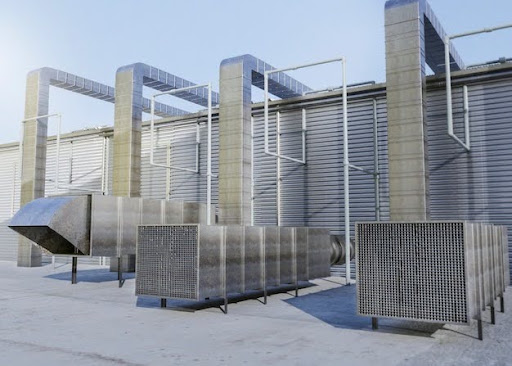
Food and beverage producers depend on precise temperature control at nearly every stage, from mixing and fermenting to packaging and storage. Industrial chillers remove unwanted heat from processes and equipment, helping products stay safe, fresh, and consistent. Without reliable cooling, quality can fall, waste can rise, and production can stop. This guide explains the main roles these systems play. Understanding them helps producers plan, budget, and avoid costly interruptions.
1. Controlling Temperature During Processing
Many recipes and processes only work within narrow temperature ranges. Industrial chillers supply cold water or glycol to heat exchangers, jacketed tanks, and process lines so heat is removed at the right moment.
Stable temperatures protect texture, taste, and appearance. Match capacity to the heat load of each stage. Document required temperatures at every stage to help suppliers size equipment correctly.
2. Protecting Food Safety
Cooling products quickly and holding them at safe temperatures limits the growth of harmful microorganisms. Industrial chillers support this by cooling cooked products, dairy, and beverages consistently.
Temperature monitoring and alarms help staff detect problems early. Follow your food safety plan and local rules for records and cleaning. Staff training ensures alarms receive an immediate response.
3. Supporting Fermentation and Brewing
Breweries, wineries, and dairies rely on carefully managed temperatures during fermentation. Industrial chillers help remove the heat that active fermentation generates, which protects flavor and yeast health.
Even small temperature swings can change the final product. Reliable control allows producers to repeat recipes batch after batch. Keep fermentation logs so teams can compare batches over time.
4. Improving Consistency and Reducing Waste
Customers expect the same taste and quality every time they buy a product. Industrial chillers support that consistency by keeping process temperatures steady throughout long production runs.
Fewer rejected batches mean less wasted ingredients, energy, and labor. Review production data to see how stability affects quality. Consistent quality also builds customer trust and brand reputation.
5. Saving Energy and Water
Cooling can account for a large share of a plant’s energy use. Modern industrial chillers use variable speed drives, better heat exchangers, and smart controls to match output to demand.
Some plants also recover waste heat for other uses. Savings depend on site conditions, so request estimates based on actual operating hours. Monitor results monthly to confirm that improvements are working.
6. Meeting Safety and Regulatory Expectations
Chilling systems may use refrigerants and pressurized equipment that require careful handling. Operators of industrial chillers should follow local rules for installation, leak detection, maintenance, and training, which differ by location.
Keep service records and inspection reports organized. Regular audits help prove that your plant manages risks responsibly.
Final Thoughts
Industrial chillers protect product quality, safety, and consistency every day. Size them for your real heat load, plan for backup, compare written proposals, and keep maintenance records organized. Choose partners who provide references, warranty terms, and highly responsive service, and check licenses and insurance before signing any contract. With careful planning and licensed professionals, your plant can produce safe, consistent food and beverages for many years.